Traction Alopecia Treatment
Hair Restoration for Hair Loss Caused by Tight Hairstyles
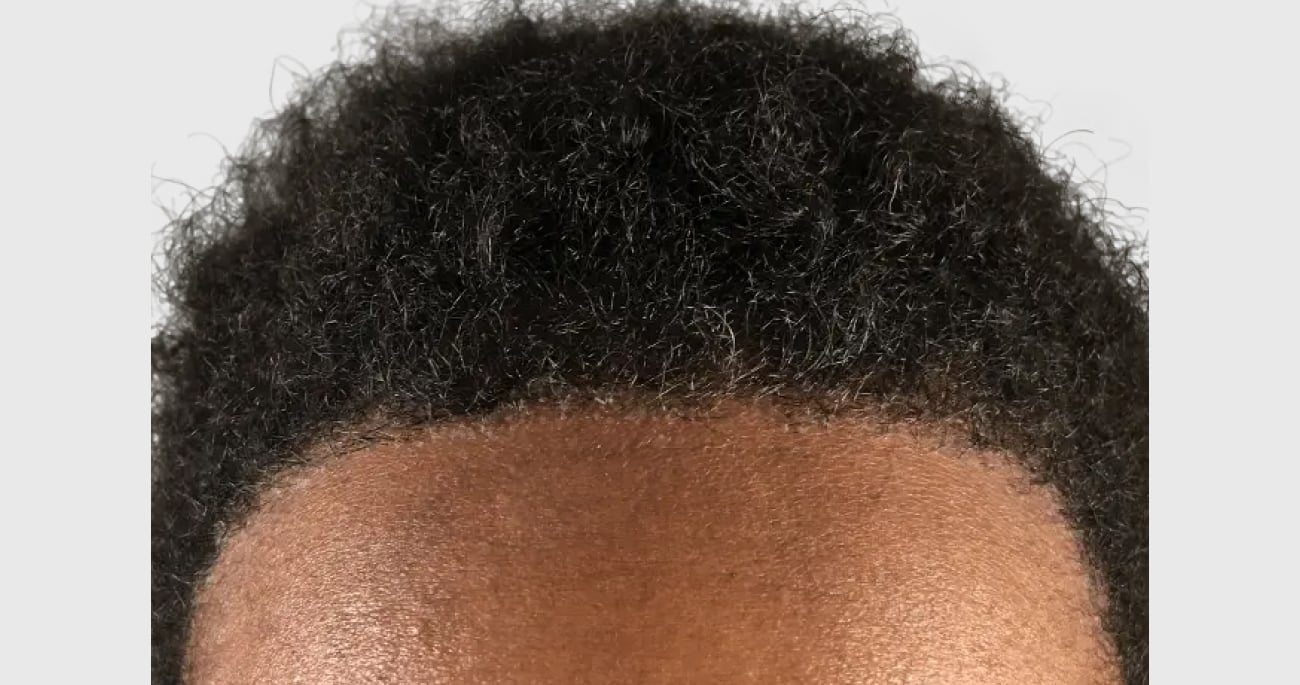
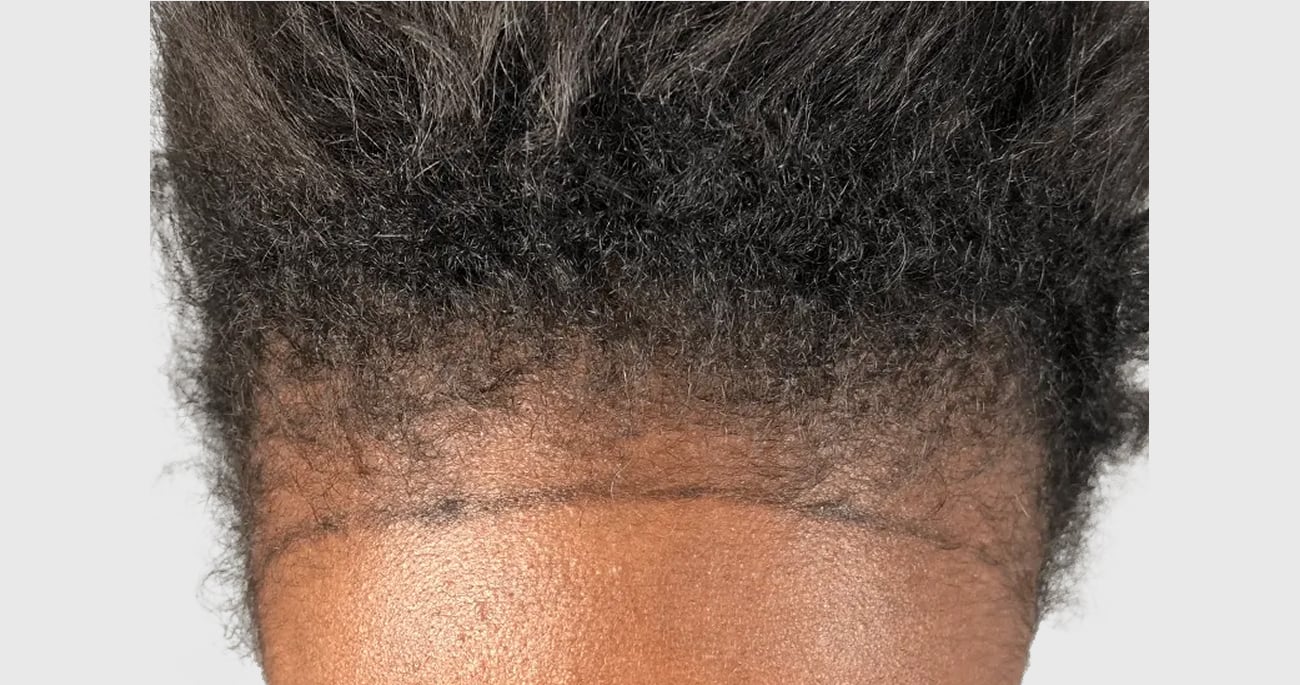
One of the Most Common and Preventable Causes of Hair Loss in Women
Traction alopecia is one of the most common forms of hair loss affecting women, and unlike many other types of hair loss, it is often preventable. The condition develops when repeated tension and pulling place ongoing stress on the hair follicles, eventually causing thinning, recession, and in some cases permanent hair loss. Because the process occurs gradually over many years, many women do not recognize the damage until noticeable thinning develops along the hairline, temples, or edges.
The encouraging news is that traction alopecia is highly treatable. When identified early, damaged follicles may recover and begin producing healthy hair again once the source of tension is removed. Even in advanced cases where permanent follicle damage has occurred, modern hair restoration techniques can often restore density and rebuild the hairline. At Maxim Hair Restoration, we offer both non-surgical and surgical treatment options designed around the severity of follicle damage and your individual goals.
What Is Traction Alopecia?
Traction alopecia is a form of hair loss caused by chronic tension placed on the hair follicles over time. Unlike genetic hair loss, traction alopecia is directly related to styling habits and mechanical stress.
Signs and Stages of Traction Alopecia
Recognizing the condition early often leads to better treatment outcomes. The earlier intervention occurs, the greater the chance of preserving and restoring existing follicles.
In the earliest stage, follicles are often still healthy enough to recover. Common signs include scalp tenderness, itching, irritation, small bumps around the follicles, increased shedding, broken hairs along the hairline, and loss of baby hairs around the edges.
In advanced cases, permanent follicle damage may occur. The affected areas may appear smooth, scarred, and incapable of producing new hair naturally. Significant temple recession and permanent loss along the hairline are common findings at this stage.
Our Gallery
Proven outcomes backed by experience and expertise
Non-Surgical Treatment for Early Traction Alopecia

Eliminating the Source of Tension
The most important step is identifying and eliminating the hairstyle or habit causing the damage. Continuing the same styling practices can limit the effectiveness of any treatment.

ACP Hair Therapy
Autologous Conditioned Plasma (ACP therapy uses concentrated growth factors derived from your own blood to stimulate weakened follicles and improve scalp health. ACP is often recommended for women whose follicles remain alive but are functioning below their full potential.

Topical Therapies
Physician-directed topical treatments may help improve follicle activity, reduce shedding, and support healthier hair growth depending on the individual situation.

Laser Hair Therapy
Low-Level Laser Therapy may help stimulate follicle metabolism and improve circulation within the scalp. It is often incorporated into a comprehensive treatment plan for early-stage hair loss.

Regrowth Expectations
When follicles remain viable, many women begin noticing improvement within several months of eliminating the source of tension and beginning treatment. Recovery timelines vary depending on the duration and severity of follicle stress.

Surgical Treatment for Advanced Traction Alopecia
When traction alopecia progresses to permanent follicle damage, hair transplantation may become the most effective restoration option.
Follicular Unit Extraction allows healthy donor follicles to be transplanted into areas affected by traction alopecia. Once transplanted, these follicles continue growing naturally and permanently.
Hair transplantation for Afro-textured hair requires specialized expertise because curly follicles naturally curve beneath the skin. Proper harvesting and implantation techniques are essential for maximizing graft survival and achieving natural results.
Why Choose Maxim for Traction Alopecia Treatment

Comprehensive Hair Loss Evaluation
Not every case of traction alopecia requires surgery. Our team carefully evaluates the scalp and follicles to determine whether non-surgical treatment, transplantation, or a combination approach is most appropriate.

Surgical and Non-Surgical Expertise
Because we offer both regenerative therapies and advanced hair transplantation, our recommendations are based on what is best for the patient rather than being limited to one treatment category.

Natural Hairline Design
When restoration is necessary, our physicians focus on creating natural-looking hairlines and temple areas that blend seamlessly with existing hair.

Experience with Curly and Afro-Textured Hair
Our team understands the unique challenges associated with extracting and transplanting curly follicles and has extensive experience treating women with diverse hair types.
Contact us
What to Expect During Your Traction Alopecia Treatment Journey

Consultation and Evaluation
Your journey begins with a detailed assessment of your hair loss pattern, styling history, scalp health, and follicle viability. Our physicians determine whether the condition is reversible or whether transplantation may be required.

Treatment Planning
Based on the findings, we create a customized treatment plan that may include lifestyle modifications, ACP therapy, laser treatments, topical therapies, hair transplantation, or a combination of approaches.

Immediate Aftercare
Recovery varies depending on the treatment selected. Non-surgical therapies generally involve little to no downtime, while transplant patients receive detailed aftercare instructions and ongoing support throughout the healing process.

Procedure Day
For patients undergoing transplantation, healthy donor follicles are harvested and strategically implanted into affected areas. Every graft is carefully placed to maximize density and maintain a natural appearance.
If you are experiencing thinning edges, temple recession, or hairline changes caused by braids, extensions, ponytails, or other tight hairstyles, our experienced team can help determine the most effective treatment option for your situation. Schedule your free consultation today and receive a personalized treatment plan designed to restore your hair and protect your long-term hair health.
Frequently Asked Questions
Helpful information to guide your hair restoration decisions.


Blogs
Insights, guides and updates from the world of hair restoration.